
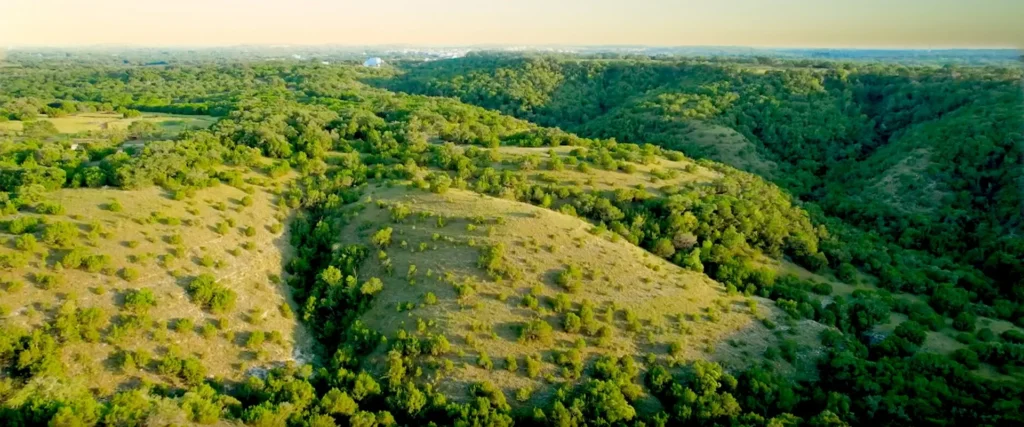
In any form of development, the moment your shovel hits the ground isn’t when value is created, it’s when the site is first understood. Before drawings, before renderings, before budgets, there is land. And at LSI, we believe the most successful projects are the ones that listen to that land before shaping anything on top of it.
“Site fit” is more than a pre-design ste, it’s the discipline of reading a property with the same care you’d give a building plan. It’s where feasibility meets vision, and where the difference between a forced result and a naturally compelling development is set in motion.
What We Mean by Site Fit:
Topography
Every site has a natural logic: rises, falls, ridges, slopes. Rather than flattening complexity, we use it.
Thoughtful positioning and orientation help us:
- Reduce grading and sitework costs
- Frame stronger views for units
- Shape outdoor amenities into the site’s natural structure
- Create more comfortable, human-centered environments
A good project doesn’t fight the land, rather it works with it.
Drainage, Hydrology & Infrastructure: The Foundation of Long-Term Performance
Good water management is invisible when done well—and expensive when overlooked. We study:
- Natural drainage patterns
- Opportunities for infiltration, retention, and controlled release
- Grading efficiencies to minimize cut and fill
- Infrastructure tie-ins that reduce future conflicts
This stage prevents surprises during construction, improves durability, and creates opportunities for integrated landscape and amenity design.
Design Intent: The Site Must Serve the Vision
Whether the goal is a luxury multifamily community, boutique condos, or a mixed-use development, site-fit translates vision into reality by shaping:
- View corridors
- Circulation and pedestrian flow
- Placement of amenity zones
- Indoor/outdoor relationships
- Microclimates for comfort and usability
The land becomes a partner in the design, not a constraint.
Context & Authenticity: Every Site Has a Story
No two pieces of land carry the same cultural, ecological, or regulatory context. We evaluate:
- Neighborhood character
- Vegetation and ecological value
- Municipal requirements
- Opportunities to reinforce local identity
This keeps development from feeling generic.
Where LSI Adds Value
Because LSI’s planning, landscape architecture, and architecture teams collaborate early, we’re able to align:
- Entitlements with realistic site capabilities
- Buildability with smart grading and infrastructure strategies
- Branding and marketing with an environment that feels intentional from the start
That integration creates value long before construction begins and minimizes costly revisions later.
Developers who bring us in early often see:
- Increased unit yield without compromising experience
- Stronger amenity positioning
- Better stormwater and infrastructure efficiency
- Greater clarity before pro forma decisions are locked in
- A final project that feels cohesive, not patched together