
Ghost Slopes: How LSI Turned Site Constraints Into Opportunity
How Smart Landscape Planning Unlocks ROI
In development, site constraints are often treated as liabilities: steep slopes, drainage paths, fill zones, tree protection areas. They show up on a constraints map as red lines and “no build” zones. But at LSI, we see them differently.
Constraints are not obstacles. They’re opportunities to create value, if you understand how to work with the land instead of against it.
Through strategic grading, drainage design, and circulation planning, our landscape studio regularly transforms “unusable” areas into high-performing amenity space. And when this thinking happens early, it reduces rework, minimizes change orders, and strengthens overall project ROI.
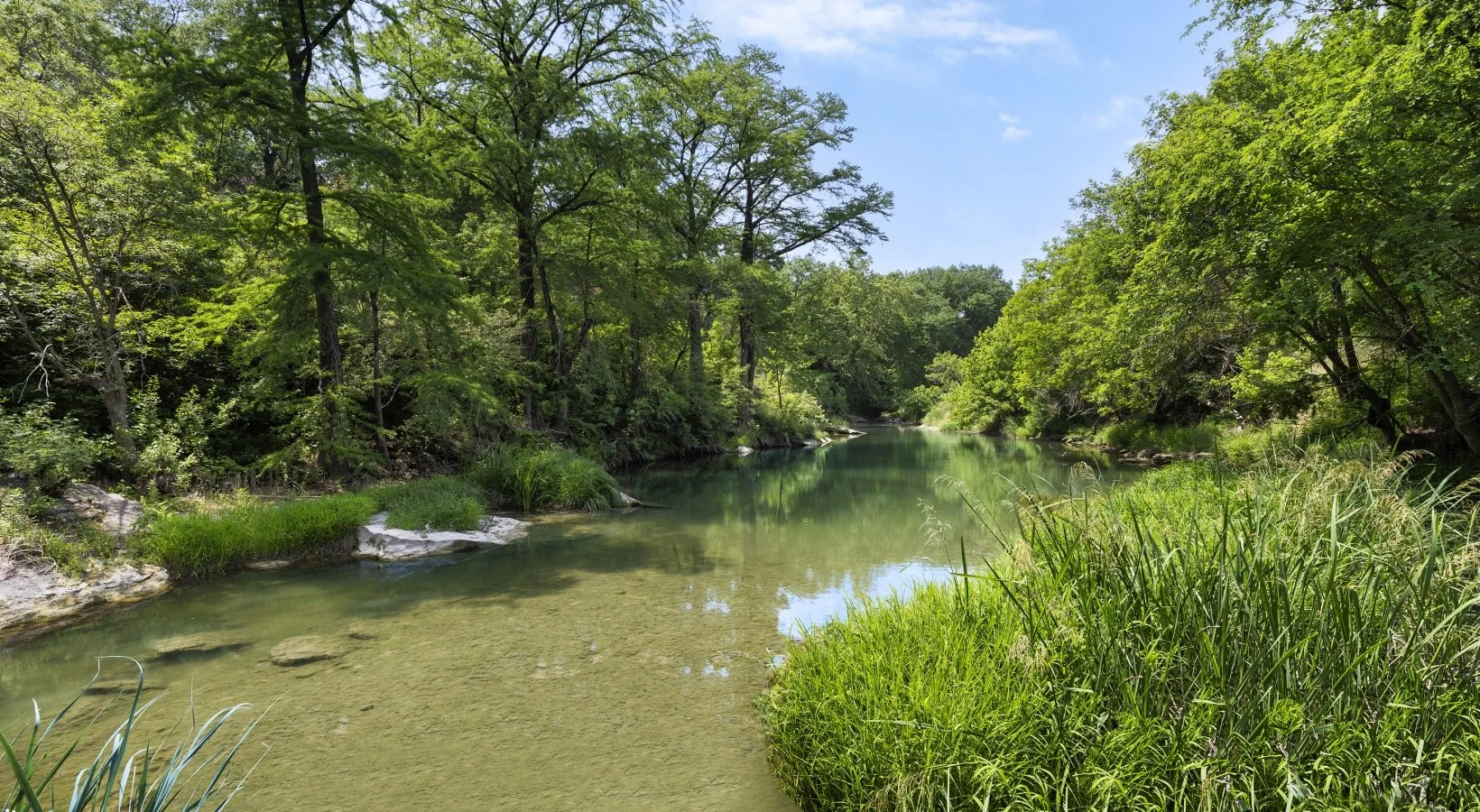
Mckinney Falls | Close Proximity to LSI’s Project Cadena At The Falls
The Real ROI of Landscape Planning
Good landscape planning isn’t just aesthetic, it’s financial.
When grading and drainage strategies are resolved early:
Site conflicts decrease
Engineering revisions are reduced
Construction change orders are minimized
Program efficiency improves
Long-term maintenance costs drop
Landscape architecture becomes a value multiplier and not just a line item.
A Difficult Site: Cadena at the Falls
McKinney Falls | Austin, Texas

Aerial Plan | Cadena At The Falls
Our Cadena at the Falls project presented a uniquely complex challenge.
The site contained what are known as “ghost slopes”, areas of old mining fill that had been sitting for over 30 years. Because of that history, the City of Austin classified these slopes as protected. Development was restricted and buildings couldn’t be placed on them.
To make it more complicated, the fill included concrete rubble, which had also become classified as protected material.
On paper, these slopes looked like dead zones, however, LSI knew they weren’t.
Strategy: Design With the Slopes, Not Against Them
Instead of trying to eliminate the constraint, we studied it.
Through grading analysis and drainage modeling, our team identified how water naturally moved from the site’s high points to its low points. The existing concrete rubble became an opportunity to integrate a new water system.
We designed a dry creek feature that channels stormwater through the protected slope area. The rubble was integrated into a stabilized bio-soil system, transforming a regulated slope into a performative landscape feature.
We introduced:
A dry creek and bio-soil drainage system
A bridge crossing that creates engagement and circulation
A fitness lawn positioned within allowable grading limits
Pool and amenity spaces placed strategically outside restricted zones
Because buildings were prohibited, the slopes became activated amenity spaces instead.
What began as a constraint became a defining feature of the property.

Original Pool Slope Rendering | Cadena At The Falls
Outcome: From “Unusable” to Signature Amenity
The protected slopes are now:
Functional stormwater infrastructure
Engaging pedestrian circulation
Usable recreation and fitness space
A unique identity element for the community
Rather than flattening the land or triggering costly revisions, the landscape design embraced the existing conditions, reducing conflict and unlocking new value.
The result is more distinctive than a typical multifamily site plan precisely because the constraints shaped the design.
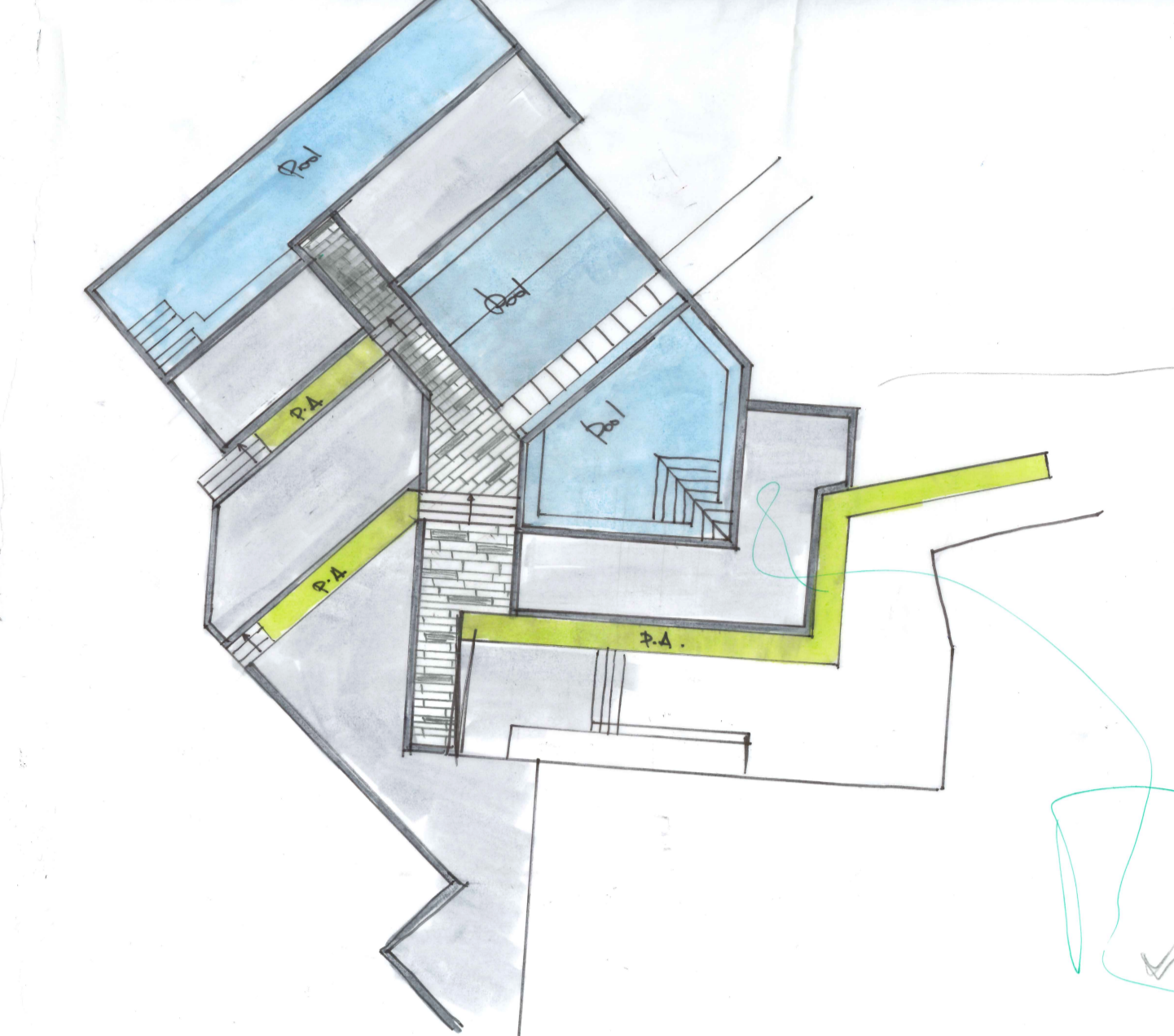
Pool Slope Sketch | Cadena At The Falls
The Power of Visual Thinking
Throughout Cadena at the Falls, sketch overlays and grading diagrams were critical tools. They allowed the team to test:
Slope tolerances
Solar exposure
Pedestrian movement
Drainage paths
Simple graphics early in the process prevented complex corrections later.
Sometimes a well-timed sketch saves more money than a late-stage revision.
Turning Constraints Into Competitive Advantage
Every difficult site carries hidden opportunity.
The question is not whether constraints exist, the question is whether the design team knows how to unlock them.
At McKinney Falls, protected ghost slopes and classified rubble could have reduced yield and increased frustration. Instead, they became defining features that elevate the entire project experience.
That’s the ROI of thoughtful landscape architecture.