
Across Texas, a quiet but significant transformation is underway. Large tracts of privately held rural land, often owned and stewarded by the same families for generations, are beginning to evolve into thoughtfully planned communities. These “legacy lands” represent more than development opportunities; they carry history, identity, and deep connections to place. When approached carefully, their transition into master-planned communities can both honor that legacy and contribute to the long-term growth of Texas cities.
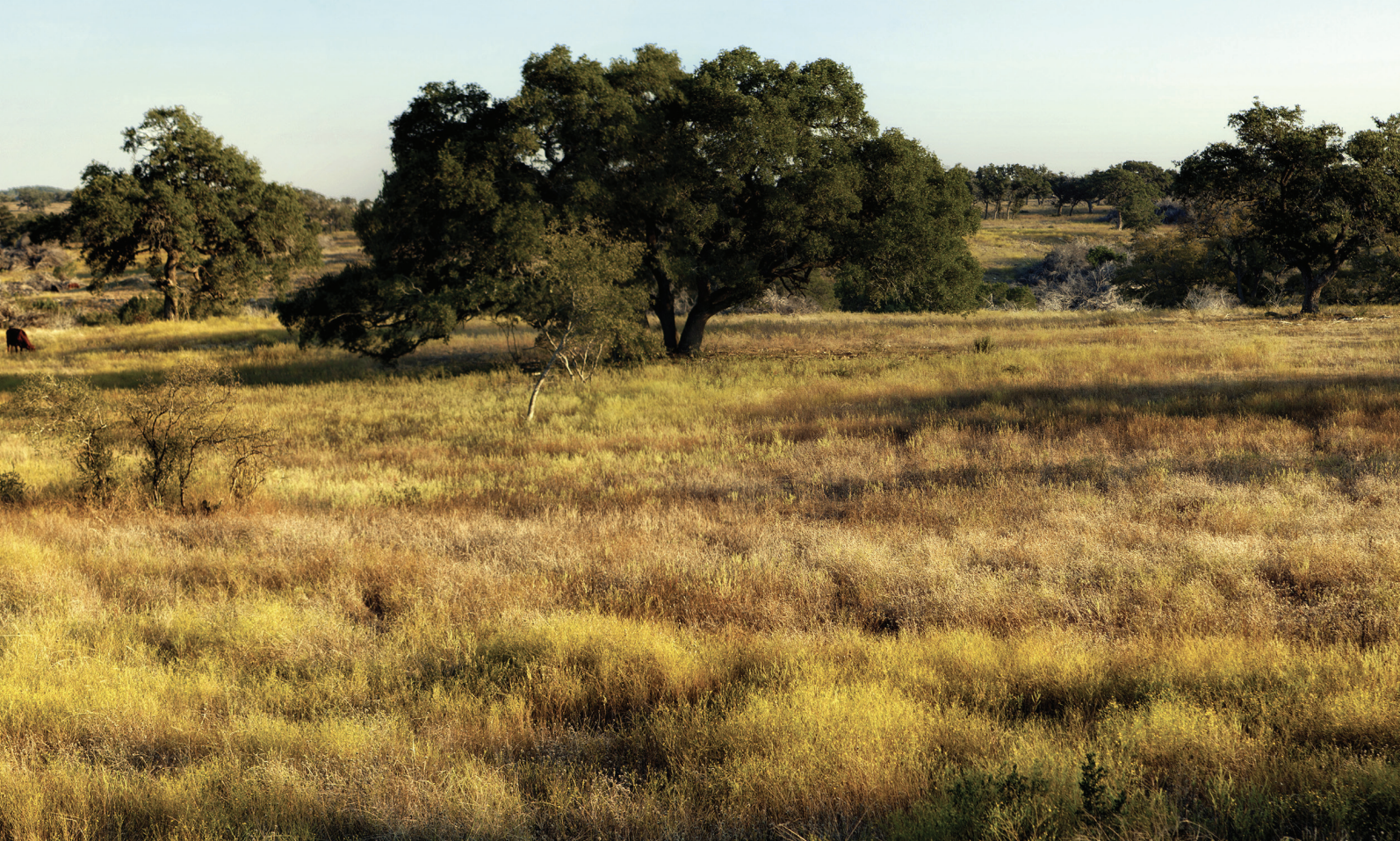
Double L Ranch - Dripping Springs TX
Communities like Double L Ranch near Dripping Springs illustrate this shift. A four-generation ranch rooted in the Texas Hill Country landscape, the property is now evolving into a high-density residential community designed around shared spaces, environmental stewardship, and the preservation of family heritage. Rather than erasing the character of the land, the project demonstrates how development can work with the landscape to create a new chapter for both the property and the surrounding region.
What Are Master-Planned Communities?
Master-planned communities are large-scale developments designed through a comprehensive planning process that integrates housing, amenities, infrastructure, open space, and long-term growth strategy into a cohesive whole. Instead of building one neighborhood at a time, the entire community is envisioned from the beginning, often across hundreds or even thousands of acres.
These communities typically include:
Diverse housing types designed for different life stages
Parks, trails, and open space networks
Amenity centers and recreational facilities
Integrated infrastructure for water, drainage, and circulation
Long-term development phasing and governance structures
Because they are planned holistically, master-planned communities can create a stronger sense of place while ensuring that growth is supported by appropriate infrastructure and environmental planning.
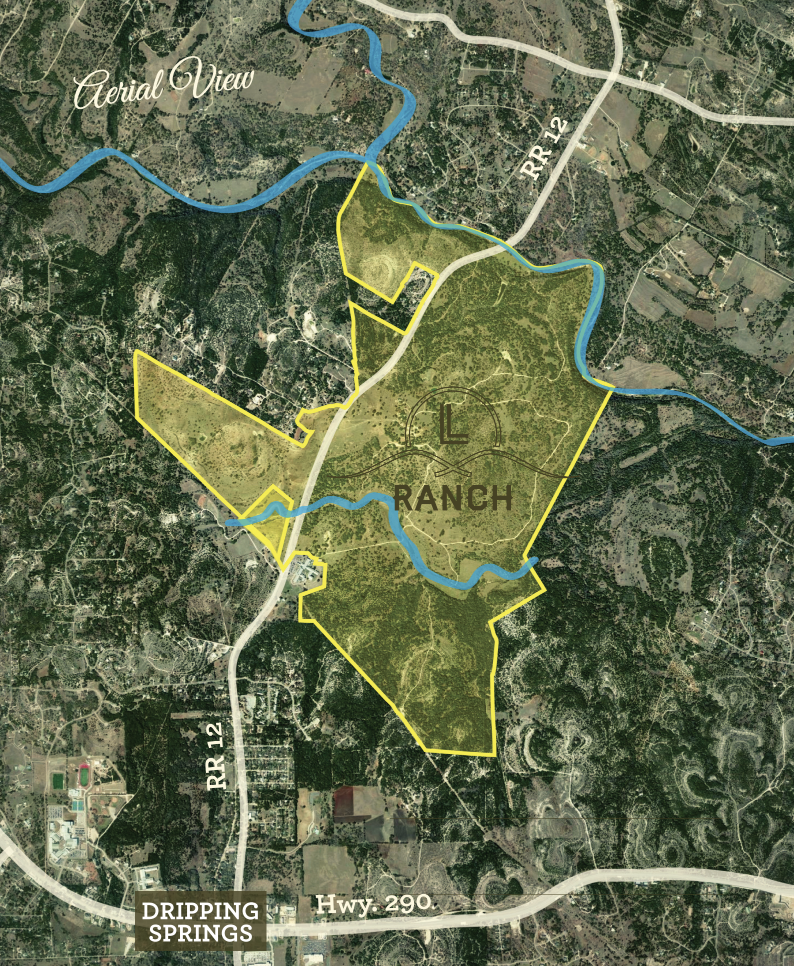
Aerial Map View of Double L Ranch - Dripping Springs, TX
The Double L Ranch Example
At Double L Ranch, the transition from working ranch to community has been guided by a commitment to preserving both the land and its story. Natural drainage patterns, creeks, and topographic changes across the property informed how the community was laid out. Instead of treating these conditions as obstacles, they became opportunities—shaping trails, open space corridors, and amenity areas that connect residents to the Hill Country landscape.
The development also reflects the broader trend of amenity-driven communities, where outdoor spaces, gathering areas, and recreational opportunities are central to the resident experience.
How LSI Approaches Master-Planned Communities
Creating successful master-planned communities requires more than a single discipline. At LSI, the process is guided by a multidisciplinary approach that integrates planning, architecture, landscape architecture, and interiors from the earliest stages of development.
This collaborative structure allows the team to evaluate land holistically, understanding how natural systems, infrastructure requirements, and lifestyle programming interact before critical decisions are made.
On projects like Double L Ranch, LSI’s work spans multiple phases of development, including:
Consulting on entitlements and water rights
Developing community design guidelines
Designing architecture and landscape architecture for the amenity center
Creating signage and monumentation that define the community identity
Providing landscape architecture for the broader development
Preparing natural resource stewardship strategies to guide environmental preservation
By coordinating these efforts early, the team ensures that planning decisions align with both market realities and the character of the land itself.
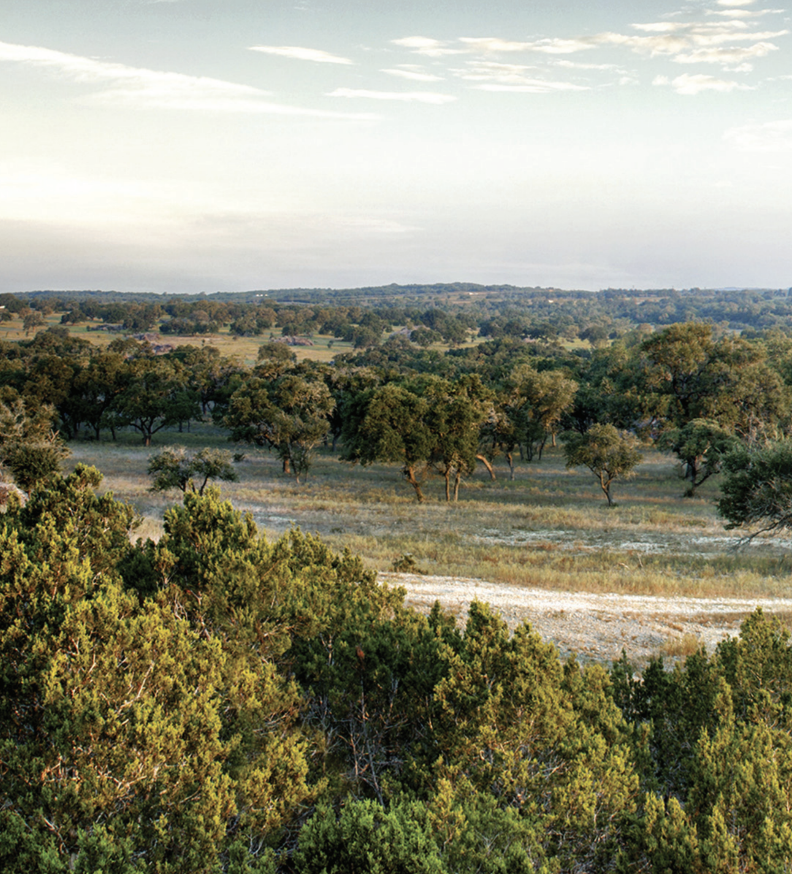
Double L Ranch - Dripping Springs, TX
Designing Communities That Respect the Land
The transformation of legacy land into new communities is one of the defining development patterns in Texas today. When guided by thoughtful planning and multidisciplinary design, these projects can balance growth with stewardship, preserving the qualities that made the land special in the first place.
Projects like Double L Ranch show that development does not have to mean losing the past. Instead, it can build upon it and create places where new families can put down roots.
As Texas continues to grow, the careful planning of these legacy properties will play a vital role in shaping the future of its communities.